What to Know Before Buying a Commercial Party Boat: Costs, Licensing, and Operations
Thinking About Buying a Commercial Party Boat?
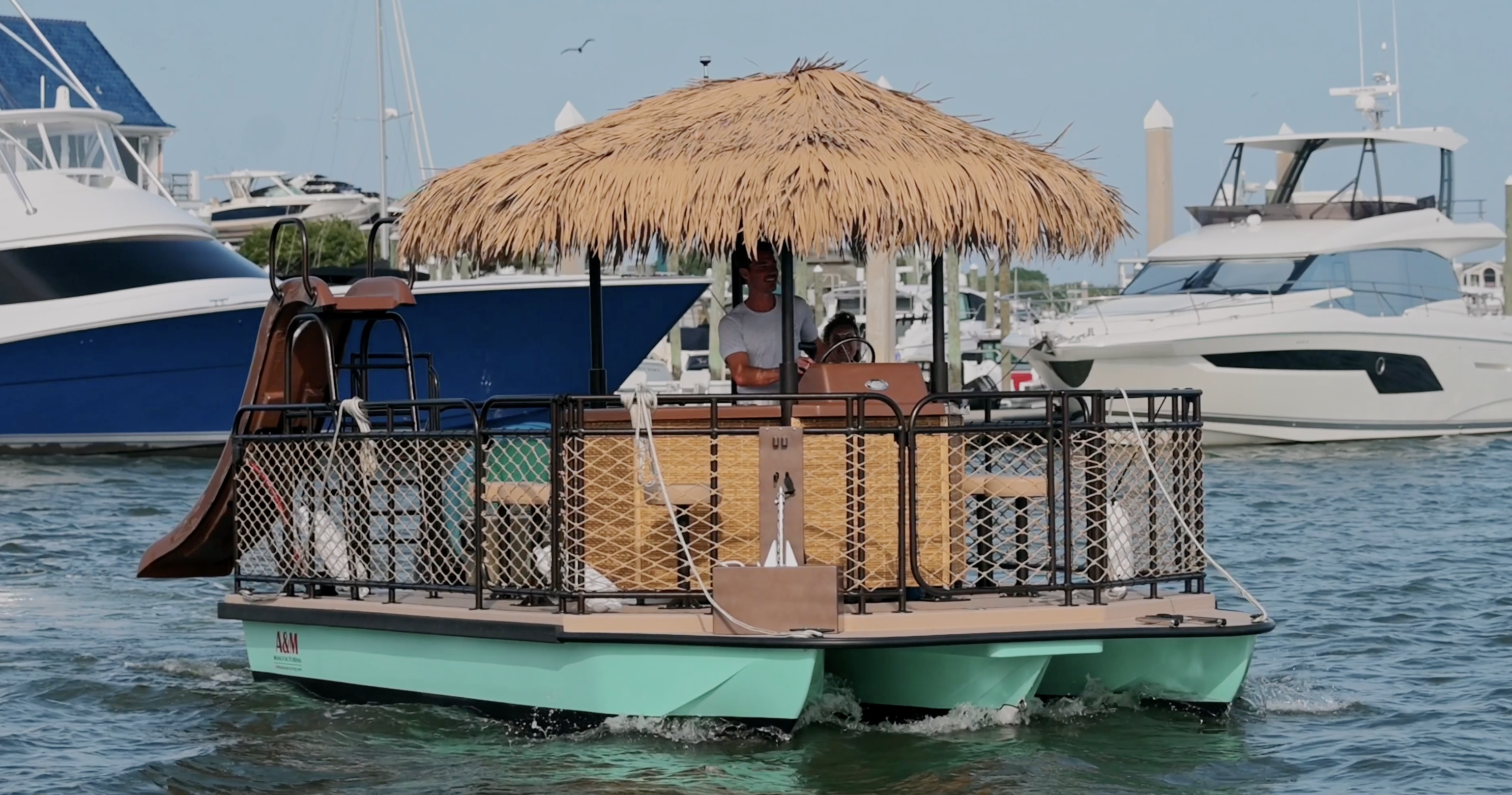
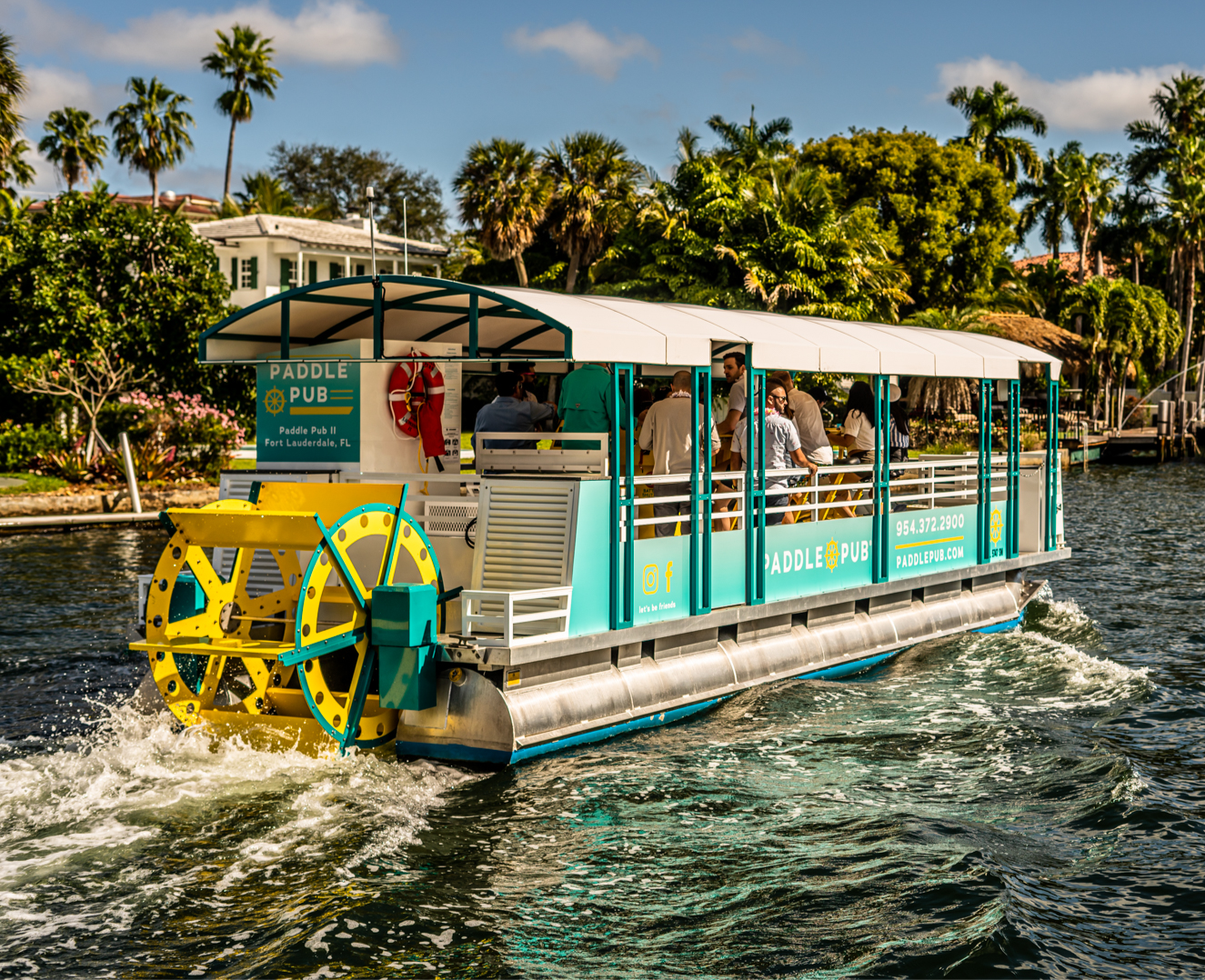
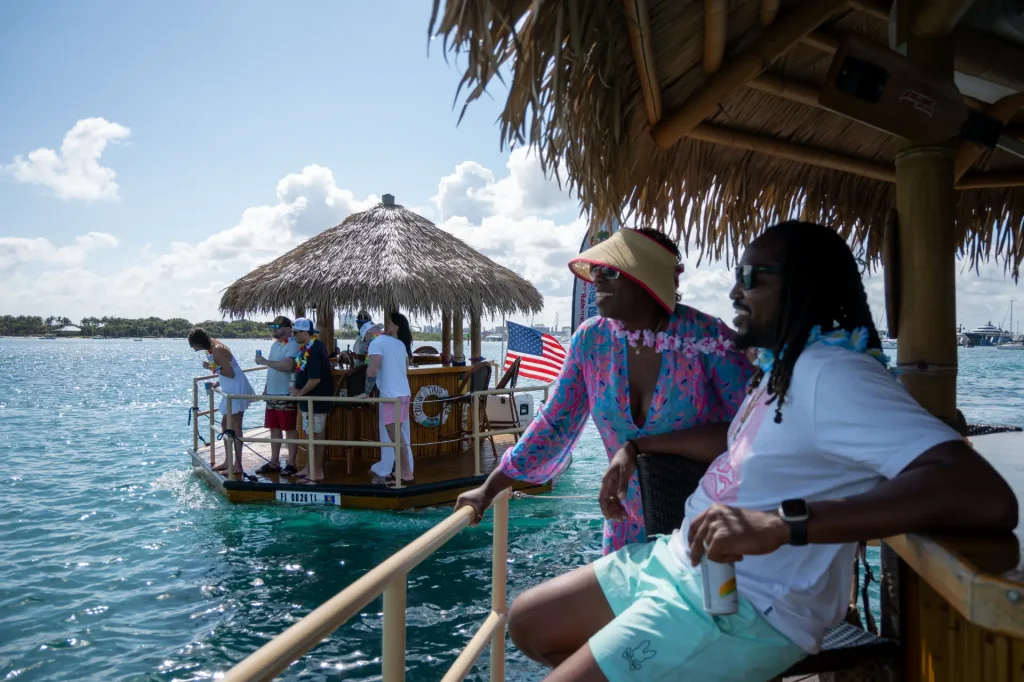
Whether it's a tiki boat, cycle boat, or another party vessel, buying a commercial boat is a significant investment. Before you sign on the dotted line, here's what you need to understand about the costs, licensing, and day-to-day realities of operating a commercial party boat.
Understanding the Investment
Commercial party boats range widely in price depending on size, construction, and features. Key cost categories include:
The Vessel Itself
- Smaller boats (6-8 passengers): Entry-level investment for operators testing the market
- Mid-size boats (14-18 passengers): The most common choice for new commercial operators
- Large boats (26-30 passengers): Premium vessels for high-capacity operations
Contact manufacturers directly for current pricing — it varies based on configuration, options, and market conditions.
Beyond the Boat
Don't forget these startup costs:
- Marine commercial insurance — required for any passenger operation
- Slip or dock rental — monthly cost varies significantly by location
- Business licensing and permits — local, state, and federal requirements
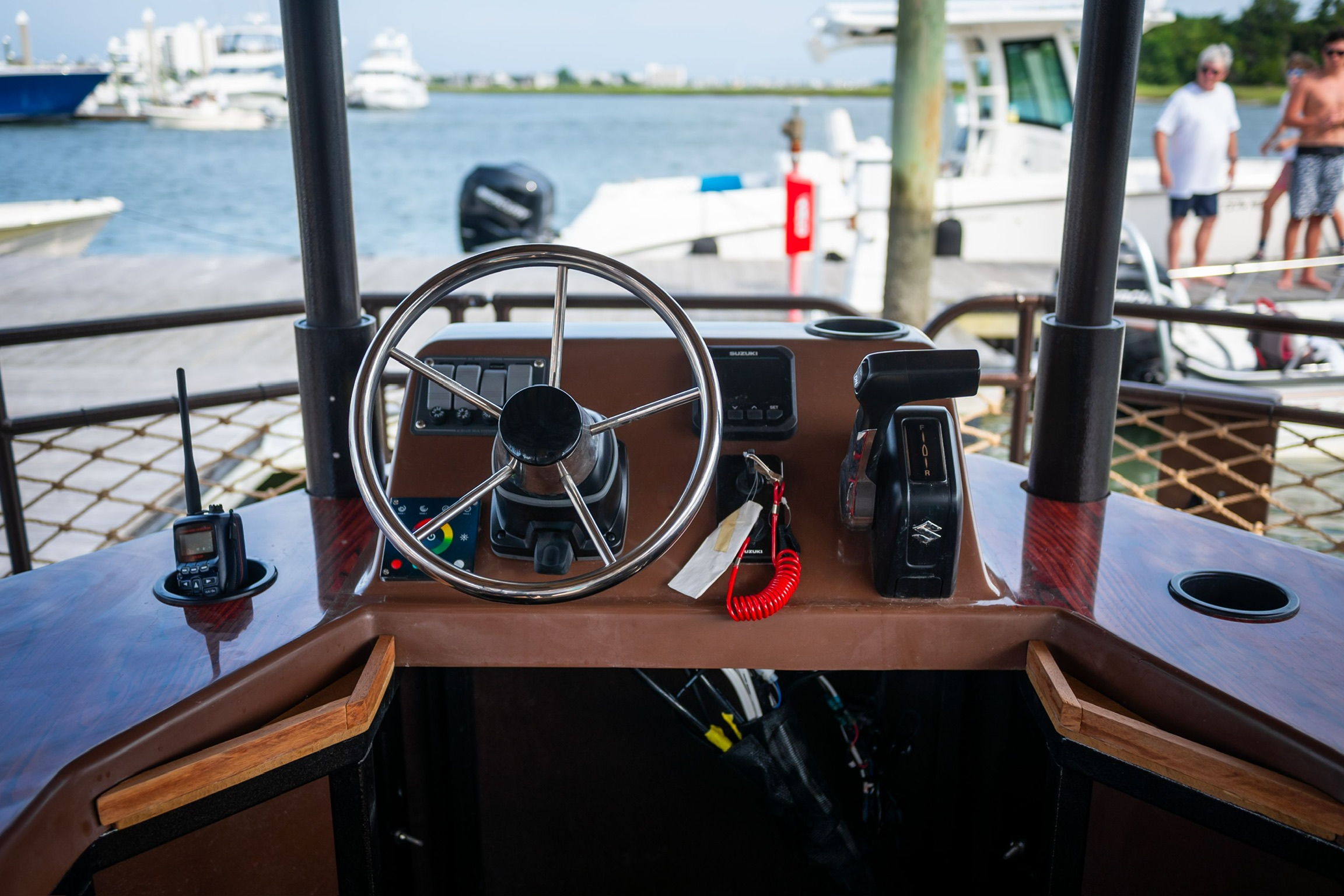
- Safety equipment — USCG-required gear for commercial passenger vessels
- Marketing and booking systems — website, booking software, initial advertising
Licensing and Certification
USCG Requirements
The U.S. Coast Guard regulates all commercial passenger vessels. Key requirements:
For 6 or fewer passengers:
- Captain needs an OUPV (Operator of Uninspected Passenger Vessels) license, also called a "six-pack"
- Vessel must meet basic safety standards
- Simpler regulatory path
For more than 6 passengers:
- Vessel needs a Certificate of Inspection (COI)
- Must be built to USCG Subchapter T standards
- Captain needs a Master license (25, 50, or 100 ton depending on vessel)
- Regular Coast Guard inspections and safety drills required
- Specific crew-to-passenger ratios
Getting Your Captain's License
If you plan to captain your own boat:
- OUPV: Requires 360 days of documented sea service, passing a written exam, and a physical
- Master: Additional sea time and exam requirements beyond OUPV
- Courses are available from approved maritime schools
If you plan to hire captains, factor in the cost of qualified licensed operators for your area.
Operational Considerations
Location, Location, Location
Your home port matters enormously. Consider:
- Visibility — can potential customers see your boat from shore?
- Accessibility — is the dock easy to reach for passengers?
- Waterway quality — calm, scenic waterways make for the best tours
- Local regulations — some waterways have restrictions on commercial operations
- Competition — understand what other operators are in your market
Seasonality
Most party boat operations are seasonal. In planning your business:
- Warm-weather markets: May operate 8-12 months per year
- Northern markets: Typically 5-7 months of primary operation
- Off-season planning: Consider storage, maintenance, and cash flow management
Maintenance
Commercial boats need more maintenance than recreational vessels:
- Hull cleaning and bottom paint — regular schedule depending on water conditions
- Engine service — per manufacturer recommendations, typically every 100-200 hours
- Safety equipment inspection — annual for COI vessels
- Cosmetic upkeep — thatching, upholstery, and deck surfaces see heavy wear
Insurance
Commercial marine insurance is mandatory and can be complex. Work with a broker who specializes in commercial passenger vessels. Key coverage areas:
- Hull and machinery — covers the boat itself
- Protection and indemnity (P&I) — covers passenger injury claims
- Commercial general liability — covers your business operations
- Jones Act / maritime employer's liability — if you have crew
Common Mistakes to Avoid
- Buying too big too fast — start with a vessel size you can manage and grow from there
- Underestimating startup costs — the boat is the biggest expense, but far from the only one
- Skipping USCG compliance — operating without proper certification puts passengers at risk and your business in legal jeopardy
- Neglecting maintenance — commercial vessels need consistent, proactive maintenance
- Poor location choice — the wrong dock or waterway can make or break your operation
- No online booking system — modern customers expect to book and pay online
Financing Options
Several financing paths exist for commercial vessels:
- Marine lenders — specialized lenders who understand commercial boat financing
- SBA loans — Small Business Administration loans may be available
- Manufacturer financing — some manufacturers offer financing programs or can connect you with preferred lenders
- Equipment financing — treat the boat as business equipment
Next Steps
If you're serious about buying a commercial party boat:
- Research your market — visit existing operations, talk to operators, understand local demand
- Get your licensing started — captain's license takes time, start early
- Talk to manufacturers — understand what's available and lead times
- Develop a business plan — especially if seeking financing
- Consult with a marine insurance broker — understand your insurance requirements and costs
Ready to take the next step? Contact us at sales@tourcraft.us or call 1-888-753-7507 to discuss your specific situation.
Ready to Buy a Party Boat?
Browse our inventory of commercial tiki boats and cycle boats, or talk to our team about finding the right vessel for your business.